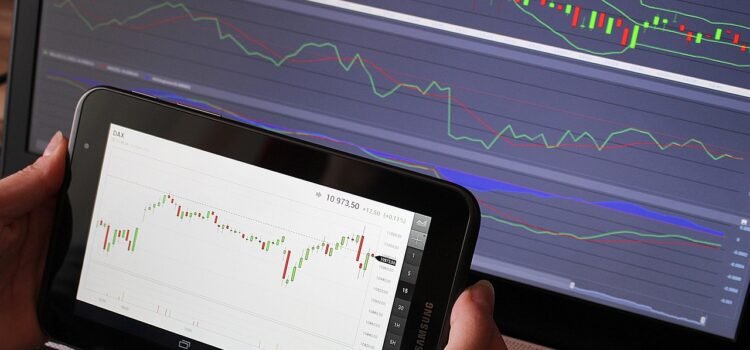

The financial markets, once the exclusive domain of seasoned professionals and institutions, have become increasingly accessible to retail traders. This democratization has been fueled by technological advancements and a surge in interest in both traditional Forex (foreign exchange) and the rapidly evolving cryptocurrency markets. Amidst this accessibility, a powerful strategy has emerged that allows novice and experienced traders alike to leverage the expertise of others: copy trading. This article delves into the world of copy trading, exploring its mechanics, benefits, risks, and its applicability across both the Forex and crypto landscapes.
Understanding Copy Trading
At its core, copy trading is a form of automated trading that allows investors to replicate the trading strategies and positions of other, typically more experienced traders, known as signal providers or strategy managers. Instead of manually analyzing market data, identifying trading opportunities, and executing trades, a copy trader simply links their trading account to a signal provider’s account. When the signal provider opens or closes a trade, the same trade is automatically replicated in the copy trader’s account, proportionally to the amount of capital allocated.
The process usually involves a trading platform that facilitates copy trading. These platforms act as intermediaries, connecting signal providers with followers (copy traders). Signal providers typically share their trading history, performance metrics, risk scores, and other relevant data, allowing potential followers to make informed decisions about who to copy. The signal provider is compensated, often through a revenue-sharing model or a subscription fee, for their expertise and the success of their strategies.
How Copy Trading Works in Practice

The mechanics of copy trading are relatively straightforward. A potential follower browses a list of available signal providers on a copy trading platform. They can filter these providers based on various criteria, such as profitability, risk level, trading history duration, the assets they trade (Forex pairs, specific cryptocurrencies), and the number of followers they have. Once a signal provider is chosen, the follower allocates a portion of their trading capital to mirror that provider’s trades.
The platform then automatically executes trades in the follower’s account whenever the signal provider initiates a trade. This replication can be done in several ways:

- Full Replication: Every trade made by the signal provider is copied exactly, with the same lot size or position size relative to the follower’s capital.
- Proportional Replication: Trades are replicated based on a pre-determined ratio or a percentage of the follower’s capital. This ensures that the risk exposure remains consistent.
- Fixed Fractional Replication: A fixed percentage of the follower’s account is allocated to each trade, regardless of the signal provider’s specific position size.
Stop-loss and take-profit orders are crucial components of risk management in copy trading. Followers can often set their own risk parameters, such as a maximum acceptable loss for any single trade or for their entire allocated capital, to limit potential downsides. The platform automatically manages the trades based on these parameters and the signal provider’s actions.
Copy Trading in the Forex Market
The Forex market, characterized by its high liquidity, 24/5 operation, and vast array of currency pairs, has been a natural breeding ground for copy trading. For many retail traders, the complexities of Forex trading – including understanding economic indicators, geopolitical events, technical analysis, and interbank market dynamics – can be daunting. Copy trading offers a solution by allowing them to tap into the knowledge of traders who have proven successful in navigating these intricacies.
Benefits for Forex Traders
The advantages of copy trading in the Forex market are numerous:
- Access to Expertise: It provides access to experienced Forex traders who have developed and refined their strategies over time.
- Time Efficiency: For individuals with busy schedules, copy trading eliminates the need for constant market monitoring and manual trade execution.
- Learning Opportunity: By observing the trades of successful signal providers, novice traders can gain insights into different trading strategies, market analysis techniques, and risk management approaches.
- Diversification: Traders can diversify their portfolio by copying multiple signal providers with different trading styles and risk profiles.
- Reduced Emotional Trading: Automated execution minimizes the impact of emotional decisions, such as fear or greed, which often lead to poor trading outcomes.
Risks and Considerations in Forex Copy Trading
Despite its benefits, Forex copy trading is not without risks. Past performance is not indicative of future results. A signal provider who has been successful in the past may experience a downturn in their trading performance. Market conditions can change rapidly, impacting the effectiveness of any given strategy. Furthermore:
- Platform Risk: Reliance on a specific copy trading platform introduces the risk of technical glitches, downtime, or even platform insolvency.
- Signal Provider Risk: The signal provider might change their strategy without notice, take on excessive risk, or even engage in fraudulent activities.
- Slippage: The difference between the expected price of a trade and the price at which it is actually executed can lead to losses, especially in volatile markets.
- Leverage Risk: Forex trading often involves leverage, which can amplify both profits and losses. Copying a trader who uses high leverage can expose followers to significant risk.
Copy Trading in the Cryptocurrency Market
The cryptocurrency market, known for its volatility, 24/7 operation, and rapid innovation, presents a unique environment for copy trading. The sheer speed at which prices can move, coupled with the complexity of understanding blockchain technology, altcoins, and DeFi (Decentralized Finance), makes it challenging for many to navigate. Copy trading offers a way for individuals to participate in this exciting, albeit risky, asset class by following traders who have demonstrated success in this dynamic space.
Unique Aspects of Crypto Copy Trading
Several factors distinguish copy trading in the crypto market:
- Higher Volatility: Cryptocurrencies are generally more volatile than Forex currency pairs. This means that potential profits and losses can be amplified significantly, requiring robust risk management.
- Asset Diversity: Beyond major cryptocurrencies like Bitcoin and Ethereum, the crypto market offers thousands of altcoins, each with its own risk profile and potential.
- Regulatory Uncertainty: The regulatory landscape for cryptocurrencies is still evolving, which can introduce additional risks and market uncertainty.
- Technological Factors: Understanding blockchain technology, smart contracts, and the specific use cases of different cryptocurrencies is often crucial for successful trading, making it a steep learning curve for many.
Benefits and Risks in Crypto Copy Trading
The benefits of copy trading in crypto mirror those in Forex – access to expertise, time savings, and learning opportunities. However, the risks are often magnified due to the inherent volatility and nascent nature of the crypto market.
Benefits:
- Exposure to Emerging Assets: Allows traders to gain exposure to a wide range of cryptocurrencies without needing to conduct extensive individual research on each asset.
- Capitalizing on Volatility: Experienced crypto traders can potentially profit from the sharp price swings, and followers can benefit from their strategies.
- Navigating Complexity: Helps individuals overcome the technical and fundamental complexities of the crypto market.
Risks:
- Amplified Losses: The high volatility means that losses can be rapid and substantial. A strategy that works in one market condition might fail dramatically in another.
- Smart Contract and Platform Vulnerabilities: Decentralized exchanges (DEXs) and smart contracts can be subject to exploits, and centralized crypto exchanges can face security breaches. Copy trading platforms themselves can also be targets.
- Market Manipulation: The crypto market can be susceptible to pump-and-dump schemes and other forms of manipulation, especially for smaller-cap altcoins.
- Liquidity Issues: While major cryptocurrencies are highly liquid, many altcoins have lower trading volumes, which can lead to difficulties in executing trades at desired prices.
Choosing the Right Copy Trading Platform and Signal Provider
Selecting the appropriate copy trading platform and signal provider is paramount to a successful experience. Several factors should be considered:

Platform Due Diligence:
- Regulation and Security: Ensure the platform is regulated by reputable financial authorities and has robust security measures in place to protect user funds and data.
- Features and Tools: Look for platforms that offer comprehensive analytics, customizable risk management tools, and a wide selection of signal providers.
- Fees and Commissions: Understand the fee structure, including any subscription fees, performance fees, or trading commissions, and how they impact potential profitability.
- User Interface: An intuitive and user-friendly interface can significantly enhance the trading experience.
Signal Provider Evaluation:
- Performance Metrics: Analyze the signal provider’s historical performance, including profitability, drawdown (maximum loss from a peak), win rate, and consistency over a significant period.
- Risk Management: Assess the signal provider’s approach to risk management. Do they use stop-losses? What is their risk-per-trade ratio? A provider who consistently takes excessive risk is generally not suitable for long-term copying.
- Trading Strategy: Understand the general trading strategy employed by the signal provider. Does it align with your risk tolerance?
- Transparency and Communication: A good signal provider is often transparent about their strategy, performance, and any potential risks. Some platforms allow for communication between signal providers and followers.
- Longevity: A provider with a long track record, even if their recent performance is not stellar, might be more reliable than a newer provider with exceptional short-term gains but little history.
Best Practices for Copy Trading
To maximize the potential of copy trading while mitigating risks, adopting a disciplined approach is essential. Here are some best practices:
- Start Small: Begin with a small amount of capital that you can afford to lose. As you gain confidence and understanding, you can gradually increase your investment.
- Diversify Your Copy Portfolio: Avoid putting all your capital into a single signal provider. Copying multiple providers with different strategies and risk profiles can help spread risk.
- Set Realistic Expectations: Copy trading is not a get-rich-quick scheme. Aim for consistent, sustainable returns rather than chasing exceptionally high profits, which often come with excessive risk.
- Understand the Risks: Never invest more than you can afford to lose. Be aware that losses are an inherent part of trading, and copy trading is no exception.
- Monitor Your Investments: Regularly review the performance of your chosen signal providers and your overall portfolio. Be prepared to adjust your allocations or stop copying a provider if their performance deteriorates or their risk profile changes.
- Continuous Learning: Use copy trading as an opportunity to learn. Study the trades of successful providers, understand their decision-making process, and gradually incorporate what you learn into your own trading knowledge.
- Adjust Risk Settings: Utilize the risk management tools provided by the platform. Set appropriate stop-losses for your copied trades and your overall account to protect your capital.
Copy trading offers a compelling avenue for participation in the dynamic Forex and cryptocurrency markets. By enabling traders to replicate the actions of experienced professionals, it democratizes access to sophisticated trading strategies. However, it is crucial to approach this strategy with a clear understanding of its mechanics, potential rewards, and inherent risks. Thorough research into platforms and signal providers, coupled with disciplined risk management and a commitment to continuous learning, forms the bedrock of a successful copy trading endeavor. While the allure of passive income is strong, active engagement in understanding the process and managing your risk is what truly separates successful copy traders from those who may face unforeseen challenges in these volatile financial arenas.

Discover more from World Stock
Subscribe to get the latest posts sent to your email.