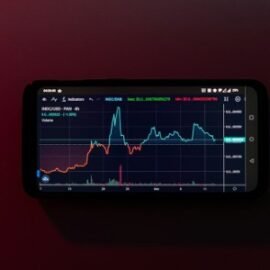

Navigating the volatile world of cryptocurrency trading requires a keen eye for detail and, crucially, the right tools. Among the most forex trading strategies cryptocurrency trading platforms significant factors influencing trading profitability is the spread – the difference between the buying and selling price of an asset.
For traders looking to maximize their gains and minimize costs, finding a broker that offers the best low spreads is paramount. In the dynamic cryptocurrency market, where prices can fluctuate rapidly, even seemingly small spread differences can add up to substantial costs over time.
This article delves into the top 7 best low spread crypto brokers available to traders in 2026, providing a comprehensive comparison to help you make an informed decision.
Understanding Crypto Spreads and Why They Matter
Before we dive into the best brokers, it’s essential to understand what a spread is and its impact on your trading. In financial markets, the spread represents the difference between the highest price a buyer is willing to pay for an asset (the bid price) and the lowest price a seller is willing to accept (the ask price).
Brokers typically profit from this difference. For example, if a cryptocurrency like Bitcoin has a bid price of $40,000 and an ask price of $40,010, the spread is $10. When you buy, you pay the ask price ($40,010), and when you sell, you receive the bid price ($40,000). This $10 difference is the broker’s commission, often referred to as the spread cost.
In the context of cryptocurrency trading, low spreads are particularly critical due to the market’s inherent volatility and the high volume of trades many participants execute. High spreads eat into your profits with every trade. If you’re a day trader or a scalper who makes numerous trades in a short period, these costs can quickly erode your capital.
Conversely, a broker with consistently low spreads allows you to retain more of your trading profits, making your strategies more sustainable and potentially more profitable. Beyond just the spread, other factors like trading fees, platform reliability, security, available assets, and customer support also play a vital role in choosing the right broker.
Key Factors to Consider When Choosing a Low Spread Crypto Broker
While low spreads are the primary focus, a holistic approach to broker selection is crucial. Here are the key factors to evaluate:
1. Spread Costs (The Core Concern)
This is the most direct cost you’ll incur for trading. Look for brokers that offer tight spreads, especially on the cryptocurrencies you intend to trade most frequently. Some brokers may advertise low spreads but compensate with higher trading fees or other charges. Always compare the total cost of trading.
2. Trading Fees and Commissions
Beyond the spread, brokers often charge additional fees. These can include trading commissions (a percentage of the trade value or a flat fee), deposit/withdrawal fees, inactivity fees, and account maintenance fees. Understand the entire fee structure to avoid surprises.
3. Available Cryptocurrencies
Ensure the broker offers a wide range of cryptocurrencies that align with your trading interests. Some brokers specialize in major coins like Bitcoin and Ethereum, while others provide access to a vast altcoin market.
4. Trading Platform and Tools
A user-friendly, stable, and feature-rich trading platform is essential. Look for features like advanced charting tools, technical indicators, order types (market, limit, stop-loss), and mobile trading capabilities.
5. Security and Regulation
Security should be non-negotiable. Verify the broker’s security measures, such as two-factor authentication (2FA), cold storage for assets, and insurance policies. Regulatory compliance is also important, as it indicates a certain level of oversight and consumer protection.
6. Liquidity
High liquidity ensures that you can enter and exit trades quickly at your desired prices without significant slippage (the difference between the expected trade price and the executed price). Brokers with high trading volumes and deep order books typically offer better liquidity.
7. Customer Support
Reliable and responsive customer support can be a lifesaver, especially when you encounter technical issues or have questions about your account. Look for brokers offering multiple support channels (live chat, email, phone) and prompt response times.
The Top 7 Best Low Spread Crypto Brokers in 2026
Based on our analysis of spreads, fees, platform features, security, and overall user experience, here are the top 7 crypto brokers offering the best low spreads for traders:
1. Binance
Binance is the world’s largest cryptocurrency exchange by trading volume, and its massive liquidity often translates into some of the tightest spreads in the market, particularly for major trading pairs. While it’s primarily an exchange, it offers a robust trading platform with a vast array of features, including spot trading, futures, options, and margin trading.
Its tiered fee structure, based on trading volume and BNB holdings, can lead to very low trading costs for active traders. Binance also boasts a comprehensive range of cryptocurrencies and advanced charting tools. Security is a strong focus, with features like SAFU (Secure Asset Fund for Users) and robust 2FA protocols.
2. Kraken
Kraken is renowned for its strong security measures and a good selection of cryptocurrencies. It consistently offers competitive spreads, especially on its more liquid trading pairs. Kraken’s Pro trading platform provides advanced charting, order types, and real-time data, catering to both beginner and experienced traders.
The broker is known for its transparency regarding fees and its commitment to regulatory compliance. Kraken also offers staking services and a futures trading option, adding to its appeal for active traders. Its customer support is generally well-regarded.
3. Bybit
Bybit has rapidly gained popularity, particularly among derivatives traders, but it also offers robust spot trading services. It is known for its competitive fees and often delivers very tight spreads, especially on popular cryptocurrency pairs.
Bybit’s platform is fast, reliable, and offers advanced trading tools, including perpetual futures contracts with high leverage. They are committed to providing a secure trading environment and have a growing list of supported assets.
Bybit’s user interface is intuitive, making it accessible for traders of all levels.

4. Coinbase Pro (now Advanced Trade on Coinbase)**
While Coinbase is often seen as a beginner-friendly platform, its Advanced Trade feature (formerly Coinbase Pro) offers a more sophisticated trading experience with significantly lower fees and tighter spreads than the standard Coinbase interface.
It provides access to a wide range of popular cryptocurrencies, advanced charting tools, and various order types. Coinbase is well-regarded for its security and regulatory compliance, making it a trustworthy option for many. The integration with the main Coinbase account simplifies fund management.
5. KuCoin**
KuCoin, often dubbed the ‘People’s Exchange,’ offers a vast selection of cryptocurrencies, including many smaller altcoins, alongside competitive trading fees and relatively low spreads. Its platform is packed with features, including margin trading, futures trading, and a unique P2P trading service.
KuCoin’s liquidity can be lower for some less common altcoins, which might affect spreads on those specific assets, but for major pairs, it remains competitive. Security is robust, and they offer various trading bots and passive income opportunities.
6. OKX**
OKX is a comprehensive cryptocurrency trading platform that offers a wide array of trading products, including spot, futures, options, and margin trading. It is known for its competitive fee structure and often provides very low spreads, particularly on major cryptocurrencies.

The platform is powerful, with advanced charting capabilities and a user-friendly interface. OKX prioritizes security and offers a diverse range of digital assets, making it a strong contender for traders looking for a feature-rich environment with cost-effective trading. They also offer staking and other DeFi services.
7. Bitstamp**
Bitstamp is one of the longest-standing cryptocurrency exchanges, known for its reliability, security, and straightforward approach. While it might not offer the sheer volume of altcoins as some newer exchanges, it provides competitive spreads on major cryptocurrencies like Bitcoin and Ethereum.
Its platform is stable and easy to use, making it suitable for traders who value a no-nonsense, secure trading environment. Bitstamp also offers competitive fees and is regulated in several jurisdictions, adding an extra layer of trust for its users.
Comparison Table: Best Low Spread Crypto Brokers
To provide a clearer picture, here’s a comparison table summarizing the key features of these top low spread crypto brokers:
| Broker | Typical Spread (Major Pairs) | Trading Fees | Available Cryptos | Platform Features | Security | Regulation |
|---|---|---|---|---|---|---|
| Binance | Very Low (0.05% – 0.10%) | Tiered (Maker/Taker) | 500+ | Advanced Charting, Futures, Margin | High (SAFU, 2FA) | Varies by region |
| Kraken | Low (0.10% – 0.25%) | Tiered (Maker/Taker) | 200+ | Advanced Charting, Staking, Futures | Very High (Cold Storage, 2FA) | Varies by region |
| Bybit | Very Low (0.05% – 0.10%) | Tiered (Maker/Taker) | 100+ | Perpetual Futures, Advanced Charting | High (2FA) | Varies by region |
| Coinbase Advanced Trade | Low (0.20% – 0.40%) | Tiered (Maker/Taker) | 200+ | Advanced Charting, Limit Orders | High (Insurance, 2FA) | Varies by region |
| KuCoin | Low (0.10% – 0.25%) | Tiered (Maker/Taker) | 700+ | Margin, Futures, Trading Bots | High (2FA) | Varies by region |
| OKX | Very Low (0.08% – 0.15%) | Tiered (Maker/Taker) | 400+ | Futures, Options, Advanced Charting | High (2FA) | Varies by region |
| Bitstamp | Low (0.15% – 0.30%) | Tiered (Maker/Taker) | 50+ | Simple Interface, Stable Platform | High (Cold Storage, 2FA) | Regulated in several jurisdictions |
*Note: Spreads can vary significantly based on market volatility, liquidity of the specific trading pair, and your account tier. The percentages listed are indicative of typical spreads for major trading pairs during normal market conditions. Always verify current spreads on the broker’s platform before trading.*
Choosing the Right Broker for Your Trading Style
The ‘best’ low spread crypto broker ultimately depends on your individual trading needs and preferences. For high-frequency traders or those dealing with significant volume, Binance, Bybit, and OKX often present the most attractive fee structures and tightest spreads due to their immense liquidity.
Kraken and Bitstamp are excellent choices for traders who prioritize robust security and regulatory compliance, offering competitive spreads on major assets. Coinbase Advanced Trade provides a balance of security, ease of use, and competitive pricing, especially for those already within the Coinbase ecosystem.
KuCoin stands out for its extensive altcoin selection and advanced trading features, making it a go-to for traders seeking variety and specialized tools.
When making your final decision, it’s wise to test a few platforms with small amounts to get a feel for their interface, execution speed, and actual spread costs in real-time trading conditions. Remember that the cryptocurrency market is constantly evolving, and so are the offerings of these brokers.
Staying informed about changes in fees, features, and supported assets will ensure you continue to trade with the most advantageous partner. Ultimately, a broker that offers low spreads, combined with strong security, a reliable platform, and excellent customer support, will provide the foundation for a more successful and less costly trading experience.
Frequently Asked Questions About Low Spread Crypto Brokers
What is a cryptocurrency spread?
A cryptocurrency spread is the difference between the bid price (the highest price a buyer is willing to pay) and the ask price (the lowest price a seller is willing to accept) for a particular cryptocurrency. Brokers profit from this difference.

Why are low spreads important for crypto traders?
Low spreads are crucial because they directly reduce the cost of trading. In the volatile crypto market, high spreads can significantly eat into profits, especially for active traders like day traders or scalpers who execute many trades. Lower spreads mean you keep more of your trading gains.
Are brokers with low spreads always the best choice?
Not necessarily. While low spreads are a primary consideration, you should also evaluate other factors such as trading fees, platform reliability, security measures, the range of available cryptocurrencies, and customer support. A broker with slightly higher spreads but superior security and a better platform might be a better overall choice for some traders.
How can I verify the actual spread costs of a broker?
The best way to verify actual spread costs is to open a demo account or make a small deposit and observe the spreads on the broker’s trading platform in real-time. Spreads can fluctuate based on market volatility and liquidity, so checking during active trading hours is recommended.
Do all cryptocurrencies have the same spread?
No, spreads vary significantly between different cryptocurrencies. Major cryptocurrencies like Bitcoin and Ethereum typically have tighter spreads due to higher liquidity, while smaller altcoins may have wider spreads.
What is the difference between spreads and trading fees?
Spreads are the difference between the buy and sell price, which is how brokers often make money on each trade. Trading fees, on the other hand, are separate charges that brokers may impose, such as a percentage of the trade value or a flat fee per transaction. Both contribute to the overall cost of trading.

Related reading: XM trading platform
Related reading: FxPro trading platform

Discover more from World Stock
Subscribe to get the latest posts sent to your email.