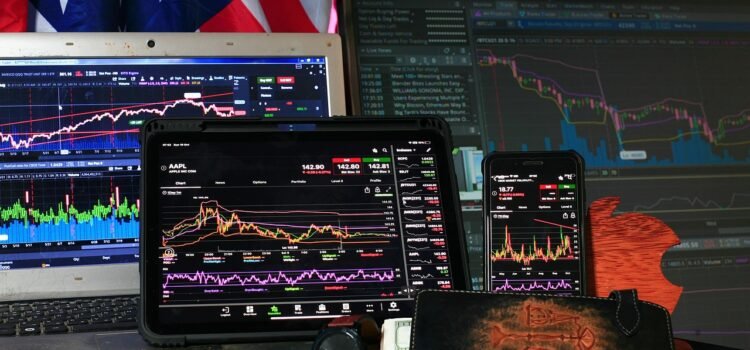

In the dynamic and often volatile world of cryptocurrency trading, every fraction of a percent can make a significant difference to a trader’s profitability. This is where the concept of ‘spread’ becomes critically important. The spread is the difference between the buying price (ask) and the selling price (bid) of an asset. For traders, especially those engaging in high-frequency trading or scalping, minimizing this cost is paramount. Consequently, the search for ‘low spread crypto brokers’ has become a central theme for many market participants seeking to optimize their trading strategies and maximize their returns. This article delves into what low spread crypto brokers are, why they are sought after, how to identify them, and the potential pitfalls to be aware of.
Understanding the Crypto Spread
Before diving into low spread brokers, it’s essential to grasp the fundamentals of the crypto spread. In financial markets, the spread represents the transaction cost for a trader. When you buy a cryptocurrency, you pay the ask price, and when you sell it, you receive the bid price. The difference between these two is the spread. A wider spread means a higher cost to enter and exit a trade, eating into potential profits. Conversely, a narrow or low spread means lower transaction costs, making it more feasible for traders to profit from small price movements.

The spread in the cryptocurrency market can be influenced by several factors:
- Liquidity: High liquidity markets, where there are many buyers and sellers, typically have tighter spreads. This is because there’s a high volume of orders, making it easier to match buyers and sellers at very close prices. Low liquidity markets, conversely, often exhibit wider spreads due to fewer participants and a greater imbalance between supply and demand.
- Volatility: During periods of high market volatility, spreads can widen significantly. This is a risk-management measure by brokers and market makers to compensate for the increased uncertainty and potential for rapid price swings.
- Market Conditions: The overall sentiment and economic conditions can also affect spreads. For instance, during times of uncertainty or fear, spreads might widen as participants become more cautious.
- Exchange: Different cryptocurrency exchanges have varying spreads based on their own liquidity and trading volumes. Brokers often aggregate prices from multiple exchanges, but their own execution model and fees also play a role.
Why Low Spread Crypto Brokers Matter
The pursuit of low spread crypto brokers is driven by a fundamental need to reduce trading costs. For different trading styles, the impact of the spread is amplified:
- Scalping: This strategy involves making numerous trades throughout the day to capture small profits from minor price changes. Scalpers rely on extremely tight spreads to ensure that their small gains are not eroded by transaction costs. Even a spread of a few basis points can be prohibitive for a scalper aiming for quick, frequent wins.
- Day Trading: While day traders might hold positions for longer than scalpers, they still execute multiple trades within a single trading day. Lower spreads reduce the break-even point for each trade, making it easier to achieve profitability, especially in markets with limited price momentum.
- High-Frequency Trading (HFT): HFT firms employ sophisticated algorithms and high-speed infrastructure to execute a large number of orders at extremely high speeds. For these operations, even minuscule spreads are critical. Any reduction in spread directly translates into increased profitability.
- Large Volume Traders: Even traders who don’t fall into the above categories but execute large-volume trades will find that even a small spread, when multiplied by a large principal, can represent a substantial cost.
Beyond the direct cost savings, low spreads can also lead to better execution prices. When spreads are tight, the price at which a trade is executed is closer to the prevailing market price, reducing slippage – the difference between the expected trade price and the actual execution price. This is particularly important in fast-moving markets.
Identifying Low Spread Crypto Brokers
Finding a broker that consistently offers low spreads requires due diligence. Several factors should be considered:
1. Broker Type and Execution Model
The way a broker operates significantly impacts the spreads they offer. Common models include:
- Market Makers (MM): These brokers often create their own market and may quote their own prices, which can sometimes include a wider spread to build in a profit margin. However, some market makers can offer competitive spreads by hedging their exposure on other venues.
- Electronic Communication Networks (ECN) / Straight Through Processing (STP): ECN and STP brokers typically route client orders directly to liquidity providers (other brokers, banks, or exchanges). They often offer tighter spreads because they are essentially passing through the best available prices from the liquidity pool, usually charging a commission instead of widening the spread. For traders seeking the tightest spreads, ECN/STP models are generally preferred.
- Hybrid Models: Some brokers combine elements of both, offering flexibility but requiring careful examination of their fee structure.
2. Liquidity Providers
A broker’s access to deep liquidity pools is crucial for tight spreads. Brokers that aggregate prices from multiple Tier-1 liquidity providers or major exchanges are more likely to offer competitive spreads. Look for brokers that are transparent about their liquidity sources.
3. Commission Structure
It’s a common misconception that brokers offering zero-spread trading are always cheaper. Often, brokers with supposedly ‘zero spread’ accounts compensate by charging higher commissions or wider markups on other fees. It’s vital to calculate the total cost of trading, which includes both the spread and any commissions or fees. A broker might have a slightly wider spread but zero commission, or vice versa. The best choice depends on your trading frequency and volume.
When evaluating commissions, consider:
- Per-trade commission: A fixed fee for each trade (buy or sell).
- Volume-based commission: A percentage of the trade value.
- Account management fees: Monthly or annual fees for maintaining an account.
- Deposit/Withdrawal fees: Charges for moving funds.
Always compare the total cost of trading across different brokers for your specific trading style.
4. Trading Platform and Technology
Brokers with advanced trading platforms and robust technological infrastructure are often better equipped to provide fast execution and tight spreads. Features like direct market access, advanced order types, and reliable connectivity contribute to a superior trading experience.

5. Regulation and Reputation
While not directly related to spread size, choosing a well-regulated and reputable broker is paramount for security. Unregulated brokers might offer attractive spread conditions but could pose significant risks regarding fund safety and fair trading practices. Look for brokers regulated by reputable financial authorities.
6. Real-time Spread Monitoring
The best way to assess a broker’s spreads is to observe them in real-time on their trading platform. Many brokers offer demo accounts, which allow you to test their platform and monitor spreads without risking real capital. Pay attention to how spreads behave during different market conditions, especially during news events or periods of high volatility.

Potential Pitfalls of Low Spread Brokers
While the allure of low spreads is strong, traders should be aware of potential downsides:
- Hidden Fees: As mentioned, some brokers might mask higher costs through other fees. A broker advertising extremely low or zero spreads might have exorbitant withdrawal fees or inactivity charges.
- Limited Liquidity on Specific Pairs: Even brokers with generally low spreads might experience wider spreads on less popular or more volatile cryptocurrency pairs.
- Execution Quality: In the pursuit of offering low spreads, some brokers might compromise on execution speed or price. This can lead to significant slippage, especially during volatile market conditions, negating the benefit of a tight spread.
- Minimum Deposit Requirements: Brokers offering premium trading conditions, including low spreads, often require a higher minimum deposit to access these accounts.
- Over-reliance on Spread: Traders might become so focused on the spread that they neglect other crucial aspects of trading, such as risk management, strategy development, and understanding market fundamentals. A low spread is only one component of a successful trading setup.
Choosing the Right Broker for Your Needs
The ideal low spread crypto broker is not a one-size-fits-all solution. It depends heavily on your individual trading strategy, risk tolerance, and capital. For scalpers and HFT traders, the absolute lowest spread is often the primary criterion, even if it means paying a commission. For swing traders or those less sensitive to micro-price movements, a broker with slightly wider spreads but lower commissions or better overall service might be more suitable.
When making your decision, consider creating a checklist:
- What is the average spread for the cryptos I trade most frequently?
- What is the commission structure, and what is the total cost per trade (spread + commission)?
- Is the broker regulated by a reputable authority?
- What is the quality of their trading platform and execution?
- Are there any hidden fees or restrictive terms?
- What is the minimum deposit and withdrawal process like?
- Do they offer a demo account to test their services?

Thorough research and testing are key. Utilize demo accounts extensively to simulate real trading conditions and observe spread behavior. Read reviews from other traders, but always verify claims independently. The crypto market is constantly evolving, and brokers frequently adjust their offerings. Staying informed about the latest developments and comparing brokers periodically is essential for maintaining optimal trading conditions.
Ultimately, finding a low spread crypto broker is about finding a partner that aligns with your trading objectives and provides a reliable, cost-effective platform. It’s a crucial step in building a sustainable trading career, where every aspect of the trading environment, from the technology to the fee structure, is optimized to support your success. By carefully evaluating the available options and understanding the nuances of spread mechanics, traders can make informed decisions that enhance their competitive edge in the fast-paced digital asset markets.

Discover more from World Stock
Subscribe to get the latest posts sent to your email.